Address
304 North Cardinal
St. Dorchester Center, MA 02124
Work Hours
Monday to Friday: 7AM - 7PM
Weekend: 10AM - 5PM
Address
304 North Cardinal
St. Dorchester Center, MA 02124
Work Hours
Monday to Friday: 7AM - 7PM
Weekend: 10AM - 5PM


Transform your workspace with creative home office inspiration that elevates productivity and style for a more efficient workday at home.
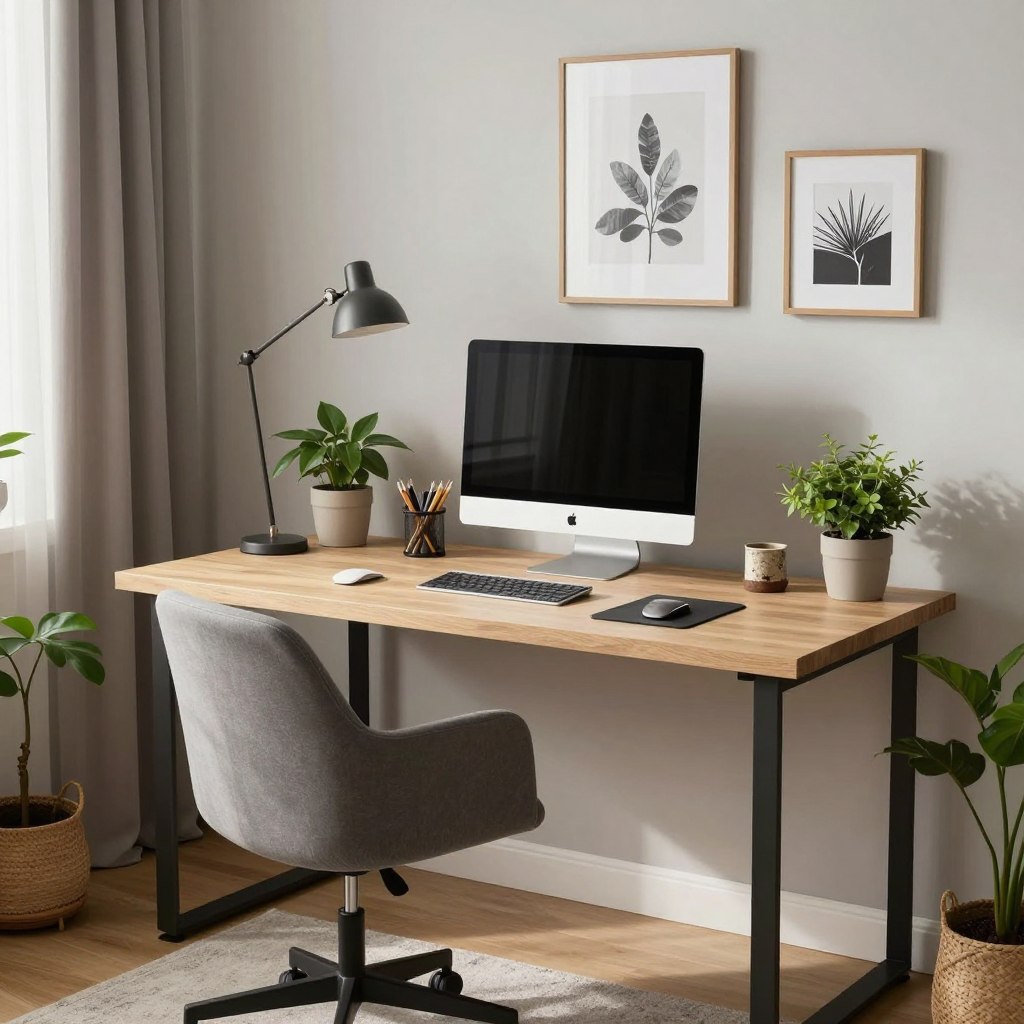
Working from home is now common for many in the U.S. Creating the right environment is key. Your home office is more than just a desk and chair. It’s your personal success center.
The move to remote work in 2024 has changed what a workspace should be. People find that good design boosts productivity and creativity. Your office doesn’t need to be big or pricey. What’s important is that it meets your needs and supports your goals.
This guide will show you how to create an inspiring workspace. You’ll learn about choosing furniture, lighting, colors, and organizing. We’ll cover everything from ergonomic chairs to managing cables. Each part shares practical tips used by professionals daily.
Knowing your work style is the first step to home office inspiration. Some prefer simple spaces, while others like them full of personal touches and plants. There’s no single right way. The goal is to find what helps you stay focused, motivated, and enjoy your work hours at home.
Setting up a dedicated workspace is key to a successful home office. Your work environment affects your focus, productivity, and work-life balance. A specific area for work helps your brain switch to “work mode” easily.
The 2023 Steelcase Global Report found that 72% of remote workers focus better in dedicated zones. This shows a defined space makes a big difference. By picking the right spot and keeping it tidy, you can turn any home corner into a productive workspace. Here are some tips for creating the ideal setup.
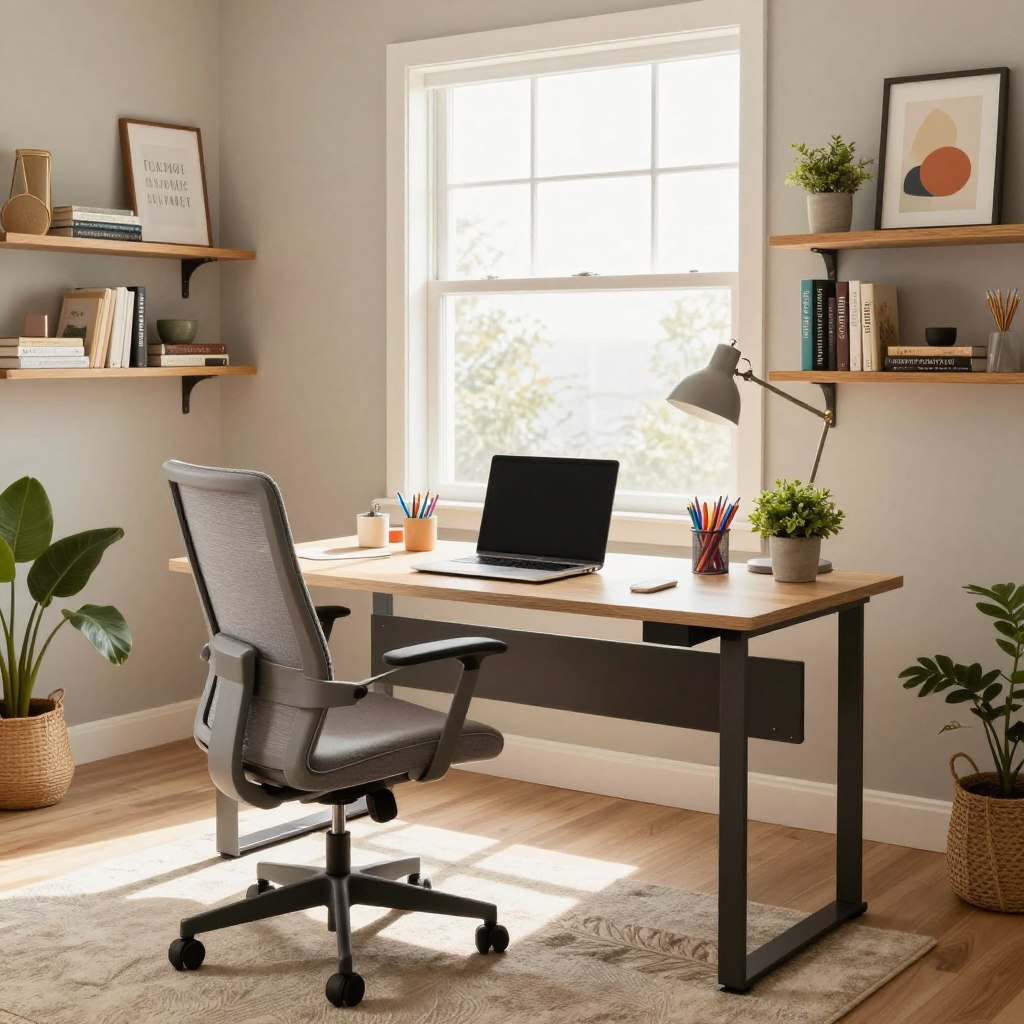
A dedicated workspace sets a clear boundary between work and home. This is vital for your mental health and work performance. A quiet desk corner away from the living room reduces distractions from family, pets, or household chores.
Having a separate workspace also helps you unwind at the end of the day. You can close the door and relax. This separation keeps work stress out of your personal time, making you feel more balanced and less stressed.
Location is more important than many think. Look for a spot that meets these criteria:
A spare bedroom, den, or a bedroom corner works well. If space is limited, a closet or alcove can be your office. The goal is to find a spot where you can focus without distractions.
A messy desk leads to a cluttered mind. Keep your workspace tidy with these tips:
Begin with a fifteen-minute decluttering session each week. This habit prevents clutter from building up and keeps your mind clear. A tidy desk boosts productivity and helps you focus on important tasks.
The colors around you at work affect how you feel and think. Your brain reacts to different colors in strong ways. Choosing the right colors can make a big difference in your day.
A well-thought-out color plan keeps you sharp and energized. It helps you stay focused without feeling tired by your surroundings.
Creating a workspace that boosts productivity starts with knowing how colors impact your mind. Some colors calm you down, while others spark creativity. The best mix makes your space feel both peaceful and energizing.
Blues and greens are great for feeling relaxed. They lower your heart rate and ease tension. Soft sage green brings nature indoors, creating calmness.
Light blue reminds us of clear skies and open spaces. It helps reduce anxiety during tough tasks.
Warm tones wake up your brain when you need creativity. Soft yellows and warm oranges boost optimism and encourage new ideas. Use these colors in small amounts to avoid feeling overwhelmed.
A minimalist home office needs neutral backgrounds. Whites, beiges, and soft grays create clean, distraction-free environments. These tones let your work shine while supporting focus.
| Color | Benefit | Best Use |
|---|---|---|
| Warm white | Creates openness and clarity | Walls and main surfaces |
| Greige (gray-beige) | Offers sophistication and calm | Accent walls or trim |
| Soft taupe | Brings warmth without distraction | Furniture and larger pieces |
| Light stone | Promotes focus and professionalism | Backgrounds and larger areas |
“Color is a power which directly influences the soul.” — Wassily Kandinsky
The secret to balance is pairing calm foundation colors with energizing accents. This mix keeps you focused and creative throughout your workday.
The right furniture is key for a productive home office. Spending hours at your desk means your body needs support. Quality furniture keeps you healthy and focused.
This section guides you in picking furniture that’s both comfy and stylish. It helps you create a space that meets your needs.
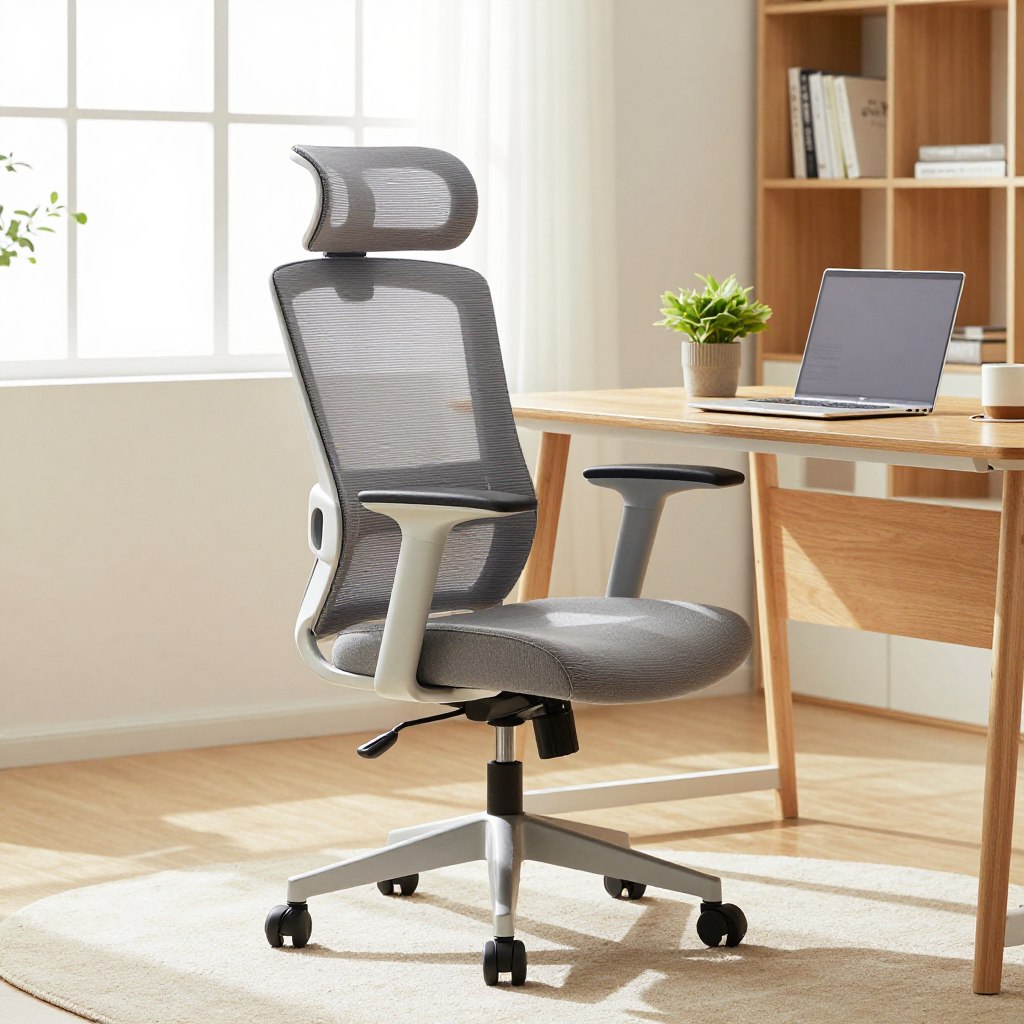
Your chair is the heart of a comfy workspace. A good ergonomic chair supports your spine and eases neck, shoulder, and back strain. The Herman Miller Aeron chair, introduced in 1994, is a top choice for ergonomic support.
Look for chairs with these features:
Investing in a quality chair now prevents back pain and other health issues later.
Your desk should match how you work. Some prefer standing desks, while others like traditional surfaces. A minimalist home office benefits from desks with clean lines and minimal storage.
Think about your daily tasks:
Space-saving pieces serve double duty in smaller offices. Wall-mounted shelves hold files and decor. Storage ottomans hide supplies while providing extra seating.
Adjustable desks work standing or sitting. These solutions keep your workspace organized without clutter.
“Good furniture is not about having more; it’s about having what works best for you.”
Lighting is key in creating a stylish home office. The right light keeps you alert and reduces eye strain. It also makes your space look professional.
Studies show natural light boosts mood by 15%. This highlights the importance of light quality in your workday. You should mix natural and artificial light sources for the best results.
Having your desk near a window is beneficial. Natural light helps regulate your internal clock. This improves your energy levels all day.
Natural light in the morning sets a strong foundation for your day’s productivity.
When natural light is not enough, task lighting helps. Desk lamps direct light exactly where you need it. This prevents shadows on your work surface.
| Lighting Type | Best Use | Brightness Range |
|---|---|---|
| LED Desk Lamps | Direct work on computer or paperwork | 500-1000 lumens |
| Clip-On Lamps | Space-saving solutions for small desks | 400-700 lumens |
| Gooseneck Fixtures | Precise angle control for detailed tasks | 600-900 lumens |
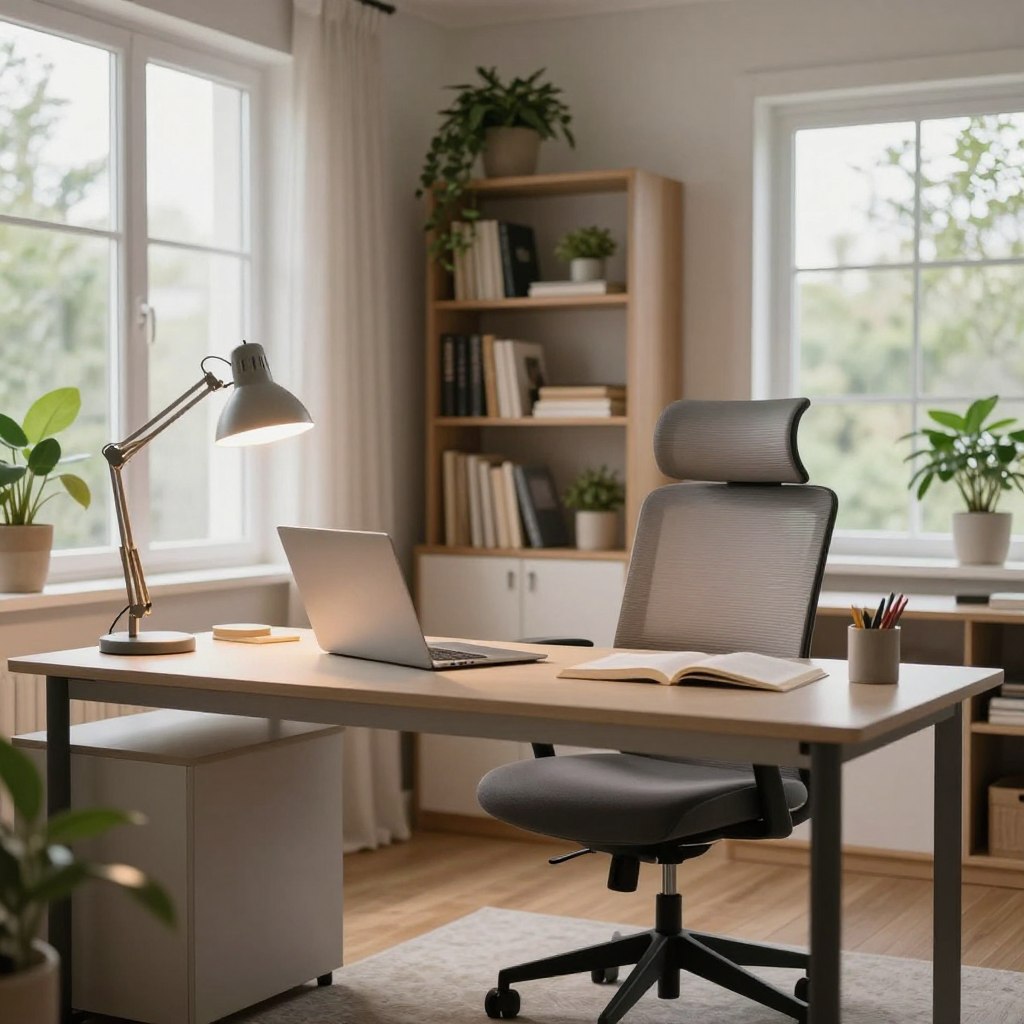
Good lighting is invisible. You don’t notice it until it’s gone or wrong.
Ambient lighting fills your room with soft light. It prevents harsh shadows and makes your space welcoming. This is important for video calls.
Combining natural light with artificial lighting creates a balanced space. This keeps your eyes comfortable and focused. Your home office design reaches its full beauty when light sources work together.
Your workspace should reflect your personality. Surrounding yourself with meaningful items makes work more enjoyable. A personalized environment boosts motivation and makes work less of a chore.
This section explores ways to bring your unique style into your office. It keeps your space functional and inspiring.
Small details can make a room feel like your own. Display items that remind you of your accomplishments or loved ones. Family photos, travel souvenirs, and notes from friends add warmth.
Personal touches don’t have to be expensive. Mix practical items with meaningful ones. A favorite mug, a desk organizer in your favorite color, or a small shelf for cherished possessions can enhance your space.
Art can change the feel of a room. A single framed print, a canvas you painted, or a poster of something you love can inspire you daily. Choose artwork that makes you smile.
Plants bring life to any office. A 2021 study by the University of Exeter found that plants can increase productivity by 15%. Greenery creates a calming effect and improves air quality.
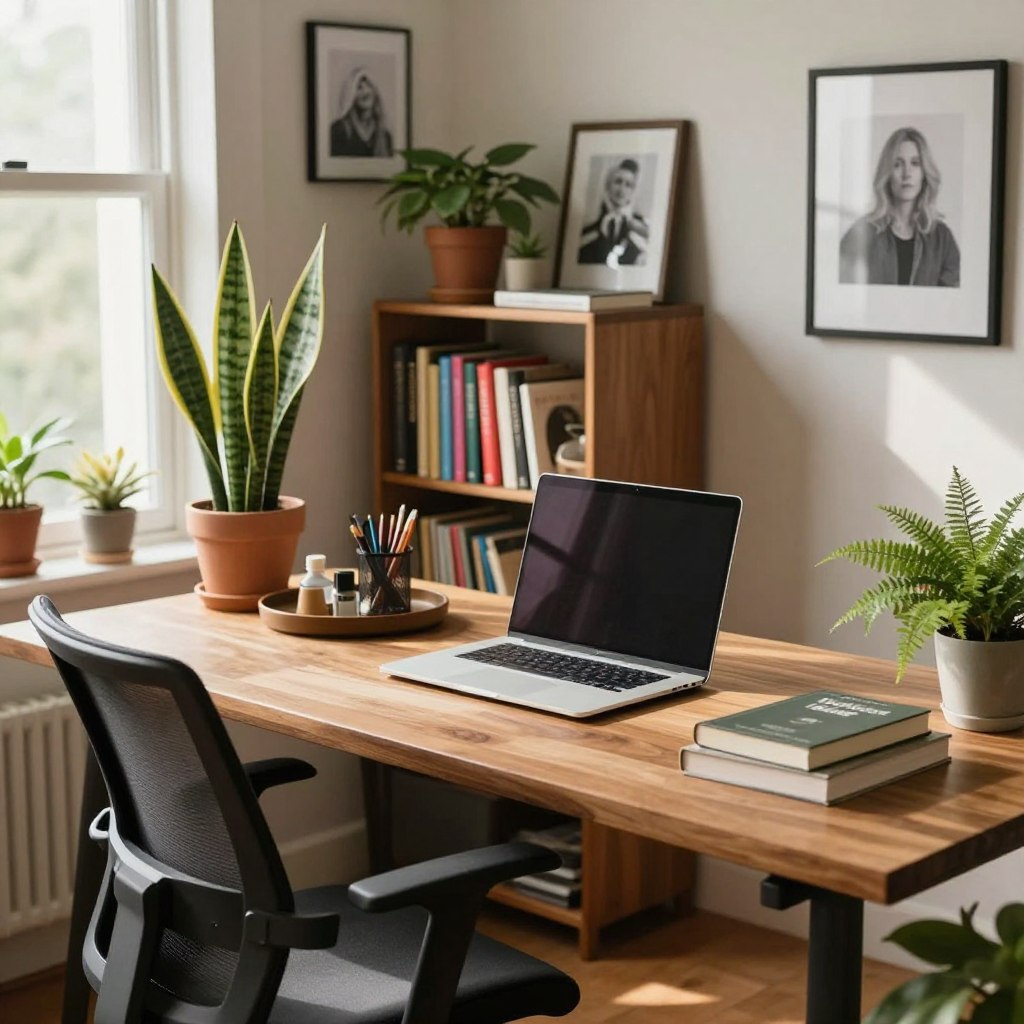
Your home office decor can include low-maintenance plants like pothos, snake plants, or succulents. Place them on your desk, windowsill, or in a corner to brighten the room.
| Plant Type | Light Needs | Watering Schedule | Productivity Boost |
|---|---|---|---|
| Pothos | Low to Bright Indirect | Every 1-2 Weeks | Reduces Stress |
| Snake Plant | Low to Bright Indirect | Every 2-3 Weeks | Improves Focus |
| Succulent | Bright Indirect | Every 3-4 Weeks | Enhances Mood |
| Spider Plant | Bright Indirect | Every 1-2 Weeks | Purifies Air |
Plants also serve a practical purpose. Green spaces naturally reduce eye strain during long work sessions. A small plant near your monitor or a hanging planter above your desk creates visual interest while promoting wellness.
Creating a solid work from home setup means getting the right tech. It keeps you connected and productive. You need reliable tools to avoid frustration and increase your output.
The right gadgets change how you work, talk, and manage tasks. The Cisco 2023 Global Hybrid Work Study found 82% of employees value smart connectivity. This shows how important tech is for success.
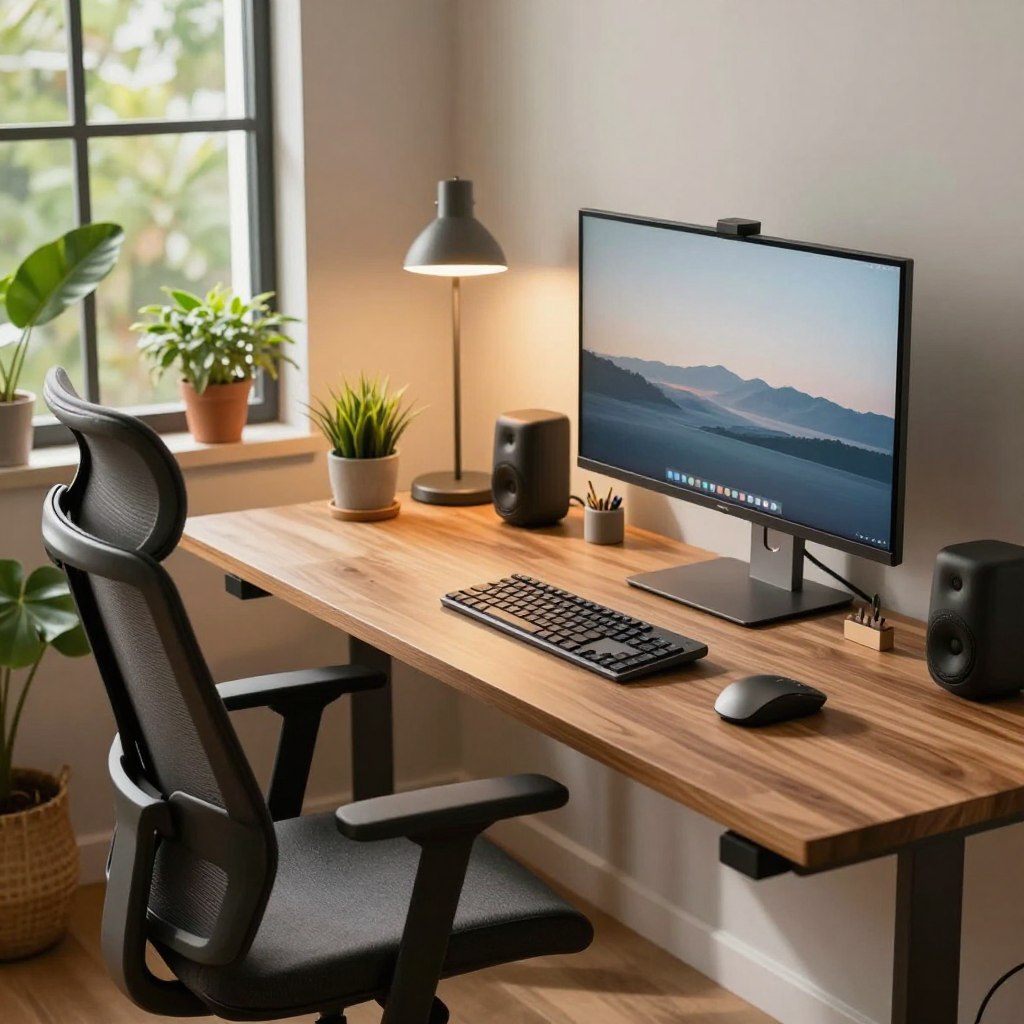
Your home office should have key devices to make tasks easier. Start with a high-speed router for a smooth internet connection. Noise-canceling headphones help you focus during calls and meetings.
A good webcam makes you look professional in video chats. Don’t forget a portable charger and cable organizer to keep things tidy.
A messy desk with tangled cables is distracting. Cable management keeps your space clean and professional. Use clips, sleeves, and organizers to keep wires together.
Label each cable so you know what goes where. This simple step saves time when you’re troubleshooting.
Smart office solutions connect your devices into one system. Smart lighting changes with the time of day. Voice-controlled speakers let you manage tasks without your hands.
Smart plugs control devices from afar. These tools create an efficient, modern workspace that meets your needs all day.
The way you arrange your workspace shapes your productivity and creativity. Your office layout determines how efficiently you move between tasks. It also decides whether your environment supports deep focus or teamwork. Strategic placement of furniture and clear zones for different activities transform any room into a functional professional area. Let’s explore how to design a layout that matches your work style.
Open layouts create flexibility and encourage interaction. This design approach removes barriers between areas, making your space feel larger and more welcoming. Open setups work well when you balance collaboration with quiet focus zones.
Closed office concepts provide privacy and minimize distractions. Walls, doors, and separate rooms help you concentrate on complex tasks. Many professionals prefer this approach for deep work sessions that require uninterrupted attention.
| Layout Type | Best For | Main Benefit | Challenge |
|---|---|---|---|
| Open Concept | Collaboration and brainstorming | Encourages teamwork and communication | Can feel noisy and distracting |
| Closed Concept | Deep focus and concentrated work | Provides privacy and quiet | May limit interaction and flexibility |
| Hybrid Layout | Mixed work activities | Combines both benefits effectively | Requires careful planning of zones |
Even in small home offices, you can build areas designed for teamwork and interaction. Position seating where people can face each other comfortably. Use round tables or standing desks that invite conversation and group problem-solving.
Incorporate home office design ideas like movable furniture that adapts to different group sizes. Whiteboards or cork boards on walls give teams space to share ideas visually. Good lighting and comfortable seating make collaborative zones inviting and productive.
Dividing your workspace into distinct zones boosts focus and efficiency. Create separate areas for different work types:
Creative workspace ideas like room dividers, bookcases, or curtains define boundaries without walls. These simple tools signal to your brain which zone you’re in and what type of work you’re doing. Your mind shifts gears automatically, improving concentration and output quality.
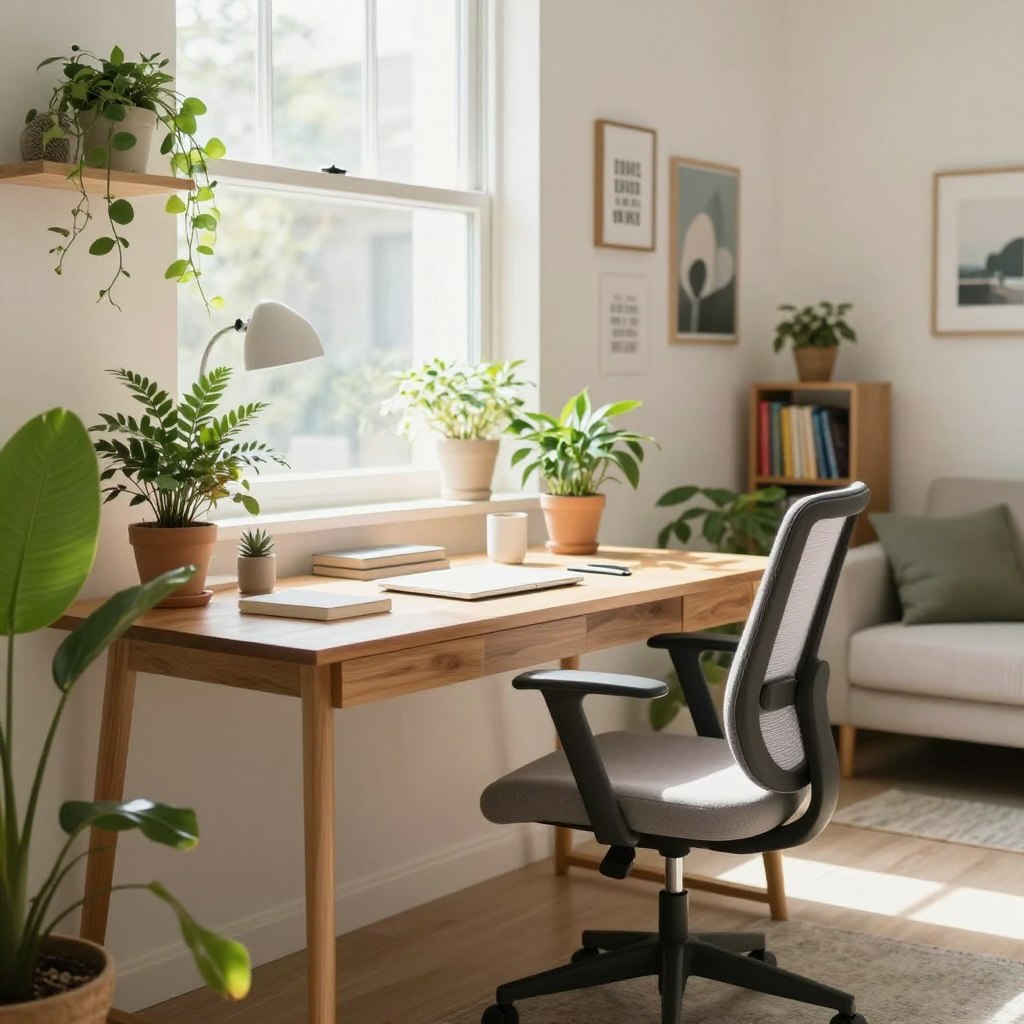
Even small adjustments to your layout create powerful improvements in how you work and feel throughout the day. Start with your current space, identify your main work activities, then arrange zones to match those needs.
A cluttered home office can really slow you down. Smart storage keeps your space tidy and your mind clear. It’s all about creating a work environment that supports you every day.
Marie Kondo’s KonMari method focuses on vertical storage. It changes how you think about your space. Instead of cluttering your desk, you can stack and store items smartly. Following good office organization tips can really improve how you feel about your workspace.
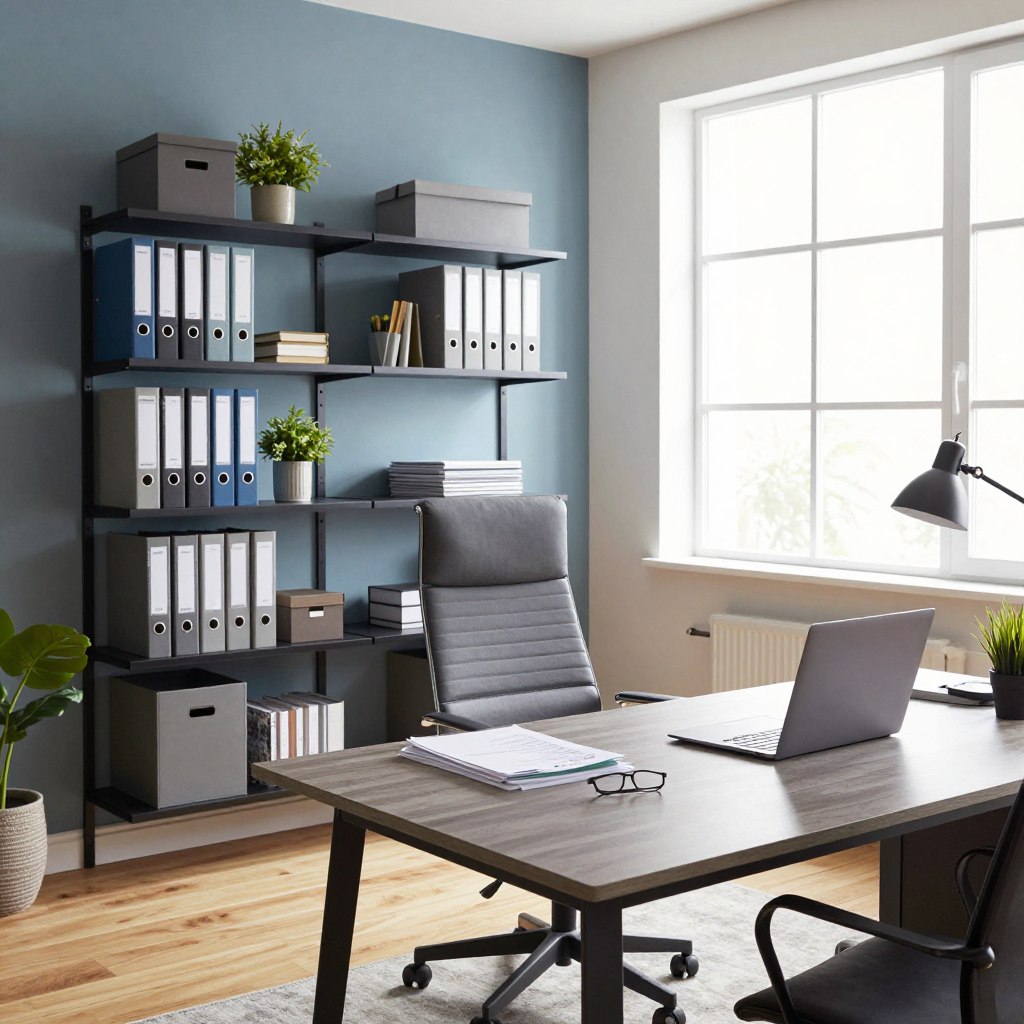
Smart organization doesn’t mean you have to buy expensive systems. Use what you already have in new ways. Label containers so you know what’s inside. Sort items by type and how often you use them. Keep daily essentials within reach and store seasonal items away.
Walls are your best friend in a small office. Wall-mounted shelving saves floor space. Tall cabinets make rooms feel bigger. Pegboards let you customize your storage layout. These ideas keep your floor clear and your mind uncluttered.
Not everything needs to be on display. Under-desk storage drawers hide paperwork and supplies. Ottoman storage boxes serve as seating and storage. Wall-mounted cabinets with doors hide mess while keeping items close. Floating shelves with cabinet doors underneath offer the best of both worlds.
| Storage Method | Best For | Space Impact |
|---|---|---|
| Wall-Mounted Shelving | Books, decor, daily supplies | Minimal floor space used |
| Under-Desk Drawers | Files, cables, office supplies | Keeps desk surface clear |
| Vertical Cabinets | Bulk storage, seasonal items | Maximum height utilization |
| Pegboards | Tools, art supplies, frequently used items | Customizable and flexible |
“The objective of cleaning is not just to clean, but to feel happiness living within that space.” — Marie Kondo
Good storage systems give you room to think. When your office stays organized, you work better. These practical solutions help you build an efficient space that works for you every day.
Working from home requires effort to keep your energy up. You need routines and visual cues to stay focused. These habits make your workspace lively, not dull. Consistency helps you tackle big projects with confidence.
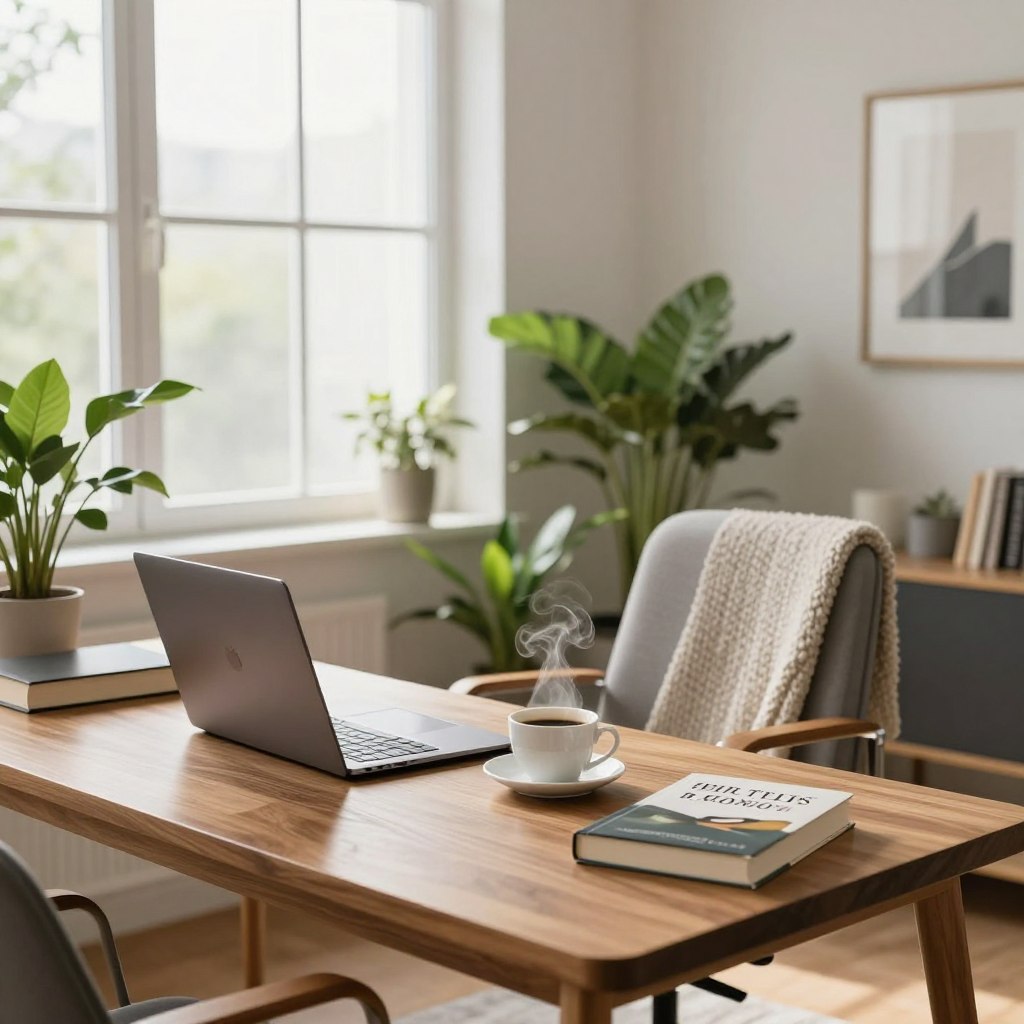
A daily routine sharpens your mind and gets you ready to work. Start your day at the same time, just like an office job. Your brain adjusts to this schedule, preparing for work before you sit down.
Here are key steps to build your routine:
Your eyes help your brain remember. Place reminders where you work. Write your top goals on sticky notes and put them on your monitor. This keeps you focused on what’s important.
Quick visual reminder ideas include:
A mood board brings inspiration to your workspace. Gather images, quotes, and colors that motivate you. Cut them out or print them. Arrange them on a bulletin board for constant inspiration.
| Mood Board Element | Purpose | Example |
|---|---|---|
| Success Images | Show what you want to achieve | People completing projects |
| Motivational Quotes | Remind you why you started | “Progress over perfection” |
| Color Swatches | Set the mood you need | Blues for calm, oranges for energy |
| Personal Goals | Keep targets visible | Career milestones or projects |
| Inspiring People | Connect with role models | Leaders in your field |
Update your mood board every month or two. This keeps it fresh and exciting.
When your workspace reflects your goals and dreams, staying motivated becomes much easier.
Mix routines, visual reminders, and mood boards for great results. Consistency is key, not perfection. Small daily efforts lead to big changes in focus and motivation over time.
Taking breaks is essential, not a luxury. A dedicated break area turns your home office into a supportive space. It helps you recharge and refocus. This simple act boosts your mood and productivity.
Research shows breaks reduce burnout by 20%, according to the 2022 Gallup State of the Global Workplace report. So, taking breaks is not a waste of time. It’s an investment in your success and health.
A refreshment station is a great place to get water, coffee, tea, or a snack. It keeps you hydrated and energized without leaving your desk. Having refreshments nearby encourages quick breaks that refresh your body and mind.
Your relaxation zone should be separate from your main desk area. This helps your brain switch gears and disconnect. Include a comfy chair, soft lights, and calming elements like plants or art. It’s a space to sit, breathe, and let your mind wander.
| Element | Purpose | Example |
|---|---|---|
| Seating | Comfort and support | Armchair or cushioned stool |
| Lighting | Calm atmosphere | Soft lamp or window light |
| Greenery | Mental refreshment | Small potted plant or succulent |
| Decor | Visual appeal | Artwork or inspirational print |
| Sound | Peaceful environment | White noise machine or soft music |
Use your breaks for activities that refresh you. Reading, stretching, listening to music, or meditating can reset your energy. These moments of joy make work more enjoyable.
Creating break areas in your home office shows you value your health and well-being. Taking care of yourself during work boosts focus, creativity, and job satisfaction.
Your home office should always feel energizing and comfy. Changing it with the seasons keeps it fresh and inspiring. Small changes in decor can make a big difference in how you feel.
Swapping out textiles and adding seasonal touches refreshes your space. This makes your office match the time of year.
Spring is all about lighter colors and fresh accents. Try adding pale greens, soft blues, or warm yellows. Swap heavy winter blankets for lightweight throws in cotton or linen.
Summer brings bright, bold colors that spark creativity. Add bright pillows or artwork that makes you smile during warm months.
Fall invites warm tones like burnt orange, deep red, and golden yellow. Cozy textures work great for this season. Winter asks for deeper colors and richer fabrics that feel warm and snug.
Small updates like new desk organizers or wall art create instant mood shifts. This can be done without spending a lot.
Daylight changes throughout the year. Winter brings shorter days and softer light. Add extra task lighting to brighten your workspace during these months.
Summer offers long, bright days that might require filtering with sheer curtains. This keeps glare off your screen while letting natural light in.
Spring and fall give balanced light that works well with most office setups. Pay attention to how sunlight moves through your space each season. Adjust your lamp placement and bulb brightness as the sun’s angle changes.
Warm white bulbs feel cozy in winter. Cool white bulbs work better when days get longer and brighter.
Plants bring life to any workspace. Seasonal plants keep your office connected to nature’s rhythm. Winter allows pothos or snake plants that need less light.
Spring and summer bring fast-growing plants like peace lilies or spider plants that love bright conditions. Fall suits mums and ornamental grasses that add texture and warmth.
Rotating plants seasonally keeps your environment fresh and interesting. Each plant needs different care based on temperature and light. Paying attention to these changes helps your plants thrive.
Happy plants make you feel happier at your desk. Small pots with seasonal flowers from local garden centers add color without taking up much space.